
Meet Eco the Otter: SOLVE’s New Mascot
- May 27
- 4 min read
On World Otter Day, we're excited to introduce a new face for environmental stewardship, community action, and healthy waterways: Eco the Otter.
Over the past few months, we invited our community to help create a mascot that could inspire people to care for the places we all share. The response exceeded our expectations, with more than 70 creative submissions filled with personality, Pacific Northwest pride, and a shared passion for protecting the environment.








Several concepts helped inspire the direction we ultimately chose, including "Sol the Otter", a popular symbol for clean water and healthy ecosystems, submitted by Chris Canter, and "Rosita C. Tee the Beaver", whose eye for design brought her to SOLVE, as she loves repurposing the trash she finds into outfits that are anything but a waste submitted by Ally Osborne from KOIN 6. The name Eco, submitted by a third-generation Rockaway Beach event leader, was later selected by SOLVE staff and became the foundation for the character you'll meet today.
Why an Otter as SOLVE's mascot?
As we explored the many ideas submitted through the community call, one animal kept rising to the surface: the otter.
Otters are playful, social, curious, and deeply connected to waterways. They thrive in healthy ecosystems and serve as an important indicator of clean water and environmental health. In many ways, they reflect the same spirit we see at SOLVE events every day, people coming together outside, connecting with nature, and taking direct action to care for the places they love.

Waterways are at the heart of life in the Pacific Northwest. From rivers and wetlands to beaches and storm drains, what enters our environment eventually impacts our water. Litter and pollution don't just disappear, they travel downstream and affect wildlife, habitats, and communities. That connection made the otter feel like the right ambassador for SOLVE's work across Oregon and Southwest Washington.
The North American river otter is the only otter species that currently lives in the wild in Oregon. Found in rivers, lakes, wetlands, estuaries, and even along the coast, river otters depend on healthy habitats to survive. They can hold their breath for up to eight minutes, use their powerful tails like rudders while swimming, and are known to slide down muddy riverbanks simply because they enjoy it. Highly social animals, they often travel and play together in groups called "romps."
Otters also remind us of an important conservation story. While river otters remain common throughout Oregon today, sea otters were hunted to local extinction along the Oregon Coast more than a century ago.

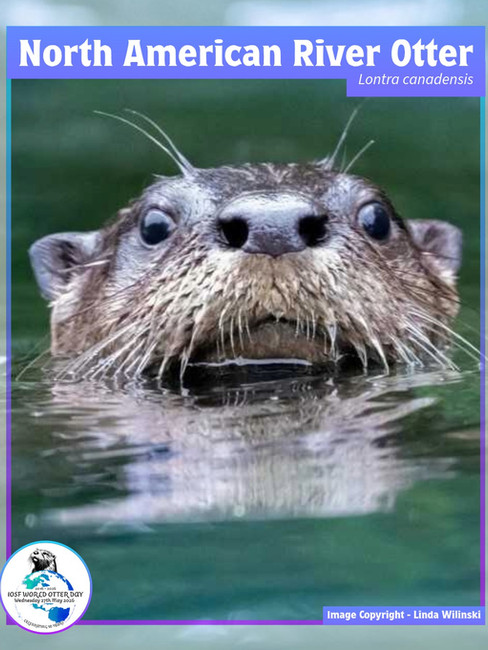


Photo credit: International Otter Survival Fund
Sea otters are considered a keystone species because they help maintain healthy kelp forest ecosystems by feeding on sea urchins and other marine invertebrates. Their dense fur, the thickest of any animal on Earth, helped make them a target of the fur trade, contributing to dramatic population declines across the Pacific Coast. Their biggest threats are oil pollution, entanglement in fishing nets, and historic hunting which nearly drove them to extinction by the early 20th century. Today, they remain classified as Endangered, and conservation efforts are crucial to their survival.
Sources: Oregon Department of Fish and Wildlife, Oregon Wildlife Foundation, International Otter Survival Fund, and the Elakha Alliance.
Whether splashing through a river, floating through a kelp forest, or serving as a reminder of the importance of clean water, otters represent something we care deeply about at SOLVE: healthy ecosystems, thriving wildlife, and communities working together to protect the places we all share.
Bringing Eco to Life
The first draft of Eco was created in collaboration with local artist Mike Bennett and transformed into a cardboard cutout that already made appearances at several recent events, including the Earth Day cleanup at Tom McCall Waterfront Park and a microplastics beach cleanup with students in Rockaway Beach.



Now, it's time for a proper introduction.
Meet Eco
Hello, my name is Eco. I guess you could say I’m an otter. But more than that, I’m a Pacific Northwester. I appreciate all things this beautiful place has to offer, and I’m all about protecting it. That’s why I’ve teamed up with SOLVE. I’m known to be a social animal, and what better way to meet nice, like-minded folks who love the Northwest as much as I do? Together, we help take care of our environment and enhance our waterways.
Just because I love rolling in the dirt doesn’t mean I’m not into a clean home. The only thing that gives me more joy than a good thrift store find is the feeling I get from pitching in and cleaning up. From our coast and rivers to our parks, forests, and streets, you’ll see me out with my trusty garbage grabber picking up litter or restoring habitats by removing invasive plants, taking a break here and there to play with a rock or splash about.
Give me a muddy bank to slide down into the water, but hold the trash, please. Because once it gets in the water, we’re all sunk! So join me at the next SOLVE event. Take it from me, you’ll be otter-ly glad you did!
What’s Next for Eco?
This is just the beginning. You'll start seeing Eco appear in SOLVE's digital content, educational materials, volunteer outreach, and community events.
As the character grows, we hope Eco will help inspire more people, especially future generations of environmental stewards, to connect with nature and take action in their communities.
And we'd love your help bringing Eco to life. The next time you spot an otter in the wild, discover a fun otter fact, find an otter-themed treasure at a thrift store, or see something that reminds you of Eco, send it our way or tag us on social media. We'd love to celebrate World Otter Day with you and continue building Eco's story together.
After all, every great mascot needs a community behind them. Welcome to the SOLVE family, Eco.


